Papyrus Therapeutics is developing protein replacement tumor suppressor therapies — a new modality with no direct competition. Our lead candidate, PYTX-004, restores lost OPCML function to shut down cancer signaling networks.
Explore Our ScienceTumor suppressor genes regulate cell growth and their loss drives cancer development. Despite decades of research, tumor suppressors have been considered "undruggable" — until now.
OPCML is unique among tumor suppressors: it acts at the external cell surface, enabling intravenous protein replacement therapy without gene therapy. When cancer silences OPCML through methylation, receptor tyrosine kinases become unregulated, driving tumor growth. PYTX-004 restores this lost regulation.
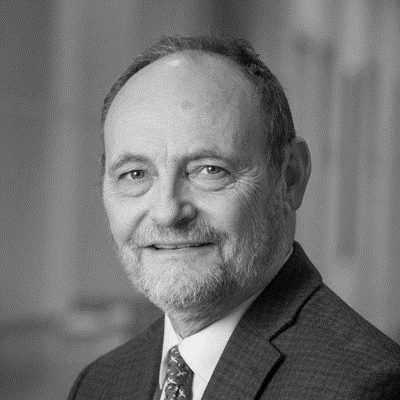
Founded by Professor Hani Gabra and the late Dr Paul Blake, Papyrus Therapeutics is a Delaware-registered C-corporation with 100% company-owned IP and over a decade of research investment.
No approved tumor suppressor replacement therapy exists. We are creating a new therapeutic category.
Patent portfolio covering the OPCML platform, IgLON family variants, and combination strategies. 100% company-owned.
Nature Genetics, Cancer Discovery, EMBO Reports, Nature Communications, Clinical Cancer Research.
Restoring normal regulation, not imposing synthetic inhibition. Normal cells are resistant to PYTX-004.
Deep systematic validation underpins PYTX-004 — from molecular mechanism through to tumour destruction in vivo, each step confirmed by independent experimental approaches.
OPCML selectively binds 9 activated receptor tyrosine kinases — HER2, HER4, FGFR1, FGFR3, EphA2, AXL, TYRO3, MET, and VEGFR3 — while sparing EGFR, HER3, and others. This selectivity drives efficacy without pan-RTK toxicity.
OPCML chaperones activated RTKs into lipid rafts, where the phosphatase PTPRG dephosphorylates them. The RTKs are then ubiquitinated and destroyed. This "anti-scaffold" mechanism collapses both MEK/ERK and PI3K/AKT signaling.
PYTX-004 demonstrates profound single-agent anti-tumour activity across 10 in vivo studies with up to 93% tumour destruction. Normal cells are unaffected by PYTX-004 — OPCML restores native regulation rather than imposing synthetic inhibition, yielding a favourable safety profile.
PYTX-004 shows 10x synergy with trastuzumab, additivity with cisplatin, and doubles survival when combined with anti-PD-1 checkpoint inhibitors in syngeneic models — with intratumoral CD8 T-cell reconstitution.
Our lead program targets ovarian cancer, with expansion into HER2+ breast cancer and other solid tumors where OPCML is silenced.
| Compound | Indication | Stage |
|---|---|---|
| PYTX-004 (OPCML-Fc) | Ovarian Cancer (incl. Clear Cell) |
IND-Enabling
|
| PYTX-004 | HER2+ Breast Cancer |
Preclinical
|
| PYTX-004 + IO | Solid Tumors (Combination) |
Preclinical
|
World-class expertise spanning translational oncology, drug development, and biotech commercialisation.
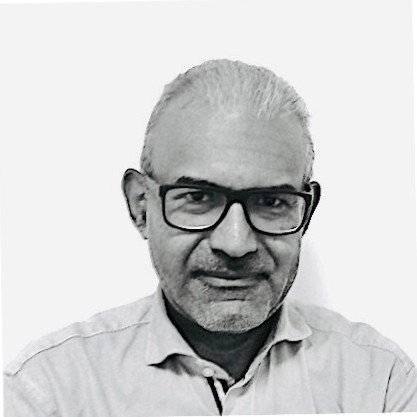
Translational medical oncologist with 30+ years experience. Professor Emeritus, Imperial College London. Former VP Early Clinical Development, AstraZeneca. Former CMO, BerGenBio.

Computational biology and machine learning for drug discovery. University of Delaware. Leads AI-enabled therapeutic platform development and IgLON domain engineering.

35+ years in oncology research and biotech. Founding Scientist, Rigel Pharmaceuticals. Founder, BerGenBio. Developed the first AXL targeting agent into the clinic.

Genomics of gynecological cancers. Vice-Chancellor, University of Arkansas for Medical Sciences.

Cancer drug development. Professor of Medical Oncology, Imperial College London.

Signal transduction and RTK biology. Uppsala University. Chairman, Nobel Foundation.

Discoverer of epithelial-mesenchymal transition. CNRS / Guangzhou National Laboratory.
We welcome enquiries from potential partners, investors, and collaborators.